
Warts caused by HPV strains like 6 and 11 can be treated at dermatology wart removal clinics offering various methods. Topical treatments include salicylic acid for exfoliation, tea tree oil with antiviral properties, and plant-based remedies. At-home options like duct tape are also available.
Clinical strength removers use compounds like salicylic acid (17%-40%), podophyllotoxin, and immunomodulators, requiring careful application. Over-the-counter solutions are FDA-approved but may cause irritation.
Prevention involves good skin hygiene, moisture, and regular foot checks. Consulting a qualified dermatologist at specialized clinics ensures safe, effective removal and personalized guidance.
Warts are a common dermatological concern, affecting people of all ages. While over-the-counter treatments offer temporary relief, they may not address the root cause effectively. This is where clinical strength wart removers step in as a powerful tool for persistent and hard-to-treat warts.
Many individuals seek natural, safe, and effective solutions, prompting an exploration of dermatology wart removal clinics and their role in providing specialized care. In this article, we guide you through the process, offering insights into the best clinical strength wart removers available, with a focus on natural approaches, ensuring genuine relief without harsh chemicals.
- Understanding Warts: Causes, Types, and Common Triggers
- Dermatology Wart Removal Clinic Naturally: Effective Solutions
- Evaluating Clinical Strength Wart Removers: Active Ingredients
- Safe Application and Prevention Strategies for Recurrence
Understanding Warts: Causes, Types, and Common Triggers

Warts are common skin growths caused by the human papillomavirus (HPV). They can appear anywhere on the body but most frequently occur on the hands, feet, and face. Understanding wart causes and triggers is essential when considering effective dermatology wart removal clinic naturally approaches. HPV has over 100 strains, and certain types are more likely to cause warts than others. For instance, type 6 and 11 are commonly associated with common warts (verruca vulgaris) that often appear on the hands and feet.
Wart removal specialists like those found in Cardiff, Liverpool, and Exeter play a crucial role in addressing this issue, offering both medical and natural treatments. While some warts may disappear without treatment, others can persist for years or even lead to more serious health concerns, especially if they are on the genitals (genital warts). Triggers for wart development include weakened immune systems, poor hygiene, repeated skin trauma, and certain environmental factors such as moist environments or skin-to-skin contact.
Given these causes and triggers, a comprehensive approach to wart removal involves both prevention and effective treatment. Maintaining good skin health, practicing proper hygiene, and avoiding direct contact with warts from others are preventive measures. When dealing with existing warts, specialists often recommend topicals containing salicylic acid or cryotherapy for freezing them off. In some cases, more targeted treatments like laser therapy may be indicated. Natural remedies, such as apple cider vinegar or duct tape, have gained popularity but require careful consideration and expert consultation to ensure safety and efficacy.
Dermatology Wart Removal Clinic Naturally: Effective Solutions

When it comes to dermatology wart removal clinic naturally, seeking effective solutions beyond conventional methods is a smart step. Warts, whether cosmetic or persistent, can be stubborn issues, but there are natural approaches that show significant promise. For instance, salicylic acid, a common active ingredient in over-the-counter treatments, has been used for centuries to soften and dissolve warts by exfoliating the skin.
A private wart removal Leicester or Cambridge clinic may offer specialized treatments tailored to different wart types. Plant-based remedies, such as tea tree oil known for its antiviral properties, can be particularly effective in treating common warts. Some clinics incorporate these natural substances into their procedures, combining them with targeted therapies like cryotherapy (freezing) or laser treatments for enhanced results. For example, a study published in Dermatologic Therapy found that a combination of 10% salicylic acid and podophyllotoxin cream significantly improved wart removal rates compared to salicylic acid alone.
Beyond clinical settings, at-home natural remedies also show merit. Duct tape, for instance, has gained attention as a potential game-changer in cosmetic wart removal Leicester. This simple yet effective method involves applying duct tape over the wart for several days, then gently filing away the dead skin. While more research is needed to validate its long-term efficacy, numerous patient testimonials attest to its success. As always, consulting with a professional at a reputable private wart removal Leicester clinic can provide personalized guidance and ensure safety, especially when dealing with sensitive areas or complex cases.
Evaluating Clinical Strength Wart Removers: Active Ingredients
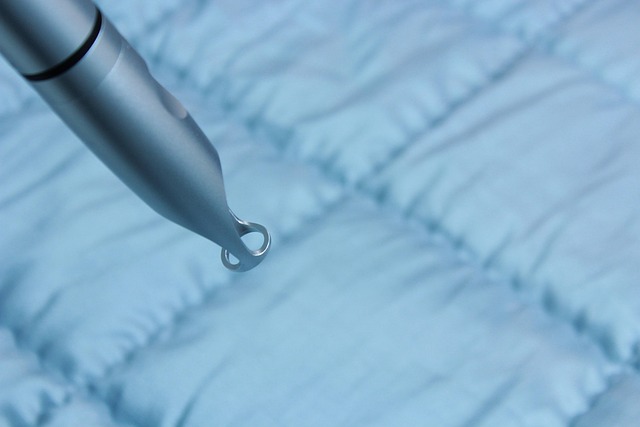
When considering the best clinical strength wart remover, understanding the active ingredients is paramount. Dermatology wart removal clinics naturally focus on potent yet safe compounds that target warts effectively. The most common and effective agents include salicylic acid, podophyllotoxin, and immunomodulators like 5-fluorouracil. Salicylic acid, for instance, exfoliates the stratum corneum, the top layer of skin, to dissolve the wart’s structure over time. Podophyllotoxin, derived from the podophyllum plant, interrupts cell division in the wart, leading to its disappearance.
Cosmetic wart removal in Leeds and Birmingham, as well as near me in Edinburgh, often incorporates these active ingredients in various concentrations tailored to different skin types and wart severity. For example, salicylic acid warts removers range from 17% to 40%, with higher concentrations suitable for more persistent or thick warts. It’s crucial to follow application instructions meticulously and consult a professional if the wart doesn’t respond within a few weeks, as prolonged use of strong solutions can lead to skin irritation or peeling.
Moreover, immunomodulators like 5-fluorouracil stimulate the body’s immune response to fight the wart virus. This approach is particularly useful for warts that persist despite conventional treatments. However, these medications may cause temporary redness, itching, and peeling, necessitating close monitoring and adherence to prescribed usage guidelines. Consulting a qualified dermatologist for personalized advice and treatment options, especially in areas like Birmingham or Edinburgh where access to specialized clinics is readily available, remains the best course of action for effective, safe wart removal.
Safe Application and Prevention Strategies for Recurrence
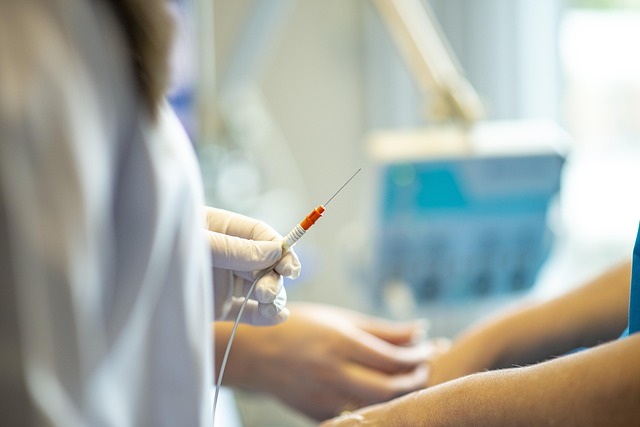
When considering clinical strength wart removers, it’s paramount to prioritize safety and effectiveness above all else. Dermatology wart removal clinic naturally offers a range of options for both professional treatment and at-home care. For those seeking over-the-counter solutions, understanding active ingredients like salicylic acid or podophyllotoxin is key; these substances are FDA-approved and highly effective but must be used as directed to avoid skin irritation or damage.
Safe application requires careful reading of product labels and adherence to recommended usage guidelines. For instance, allowing sufficient time between applications for the skin to heal, using protective gloves when applying treatments, and avoiding sensitive areas like eyes and mucous membranes are essential precautions. Regular monitoring of treated warts is crucial; if they do not improve or show signs of infection, seeking medical advice from a Wart Removal Birmingham clinic or similar specialized service in Cardiff or Bristol becomes imperative.
Prevention strategies play an equally vital role in managing warts effectively. Maintaining good hygiene practices, such as washing hands frequently and avoiding contact with contaminated surfaces or individuals, can significantly reduce the risk of acquiring new warts. Additionally, keeping skin moisturized and protected, especially during dry or cold seasons, fortifies the skin’s natural defenses against viral infections. Regular foot checks are also recommended to catch any new or changing warts early, allowing for prompt action before they become more established.
Ultimately, a combination of safe application techniques and proactive prevention measures can greatly facilitate successful wart removal and reduce the likelihood of recurrence. Consulting with dermatology experts in Wart Removal Birmingham, Cardiff, or Bristol can provide personalized guidance tailored to specific skin types and conditions, ensuring the best possible outcomes for individuals seeking relief from these common yet sometimes stubborn growths.
By delving into the world of dermatology wart removal clinic naturally, readers have gained valuable insights into understanding and effectively managing warts. The article highlighted the causes, types, and common triggers of these skin growths, empowering individuals to recognize and address potential sources. Key takeaways include the exploration of natural, clinically proven solutions, with a focus on active ingredients that target warts safely and efficiently. Furthermore, practical strategies for application and preventing recurrence were discussed, emphasizing proper techniques and safety measures. With this comprehensive guide, readers are equipped to make informed decisions regarding their wart removal journey, leveraging the expertise of dermatology clinics to achieve clear, lasting results.