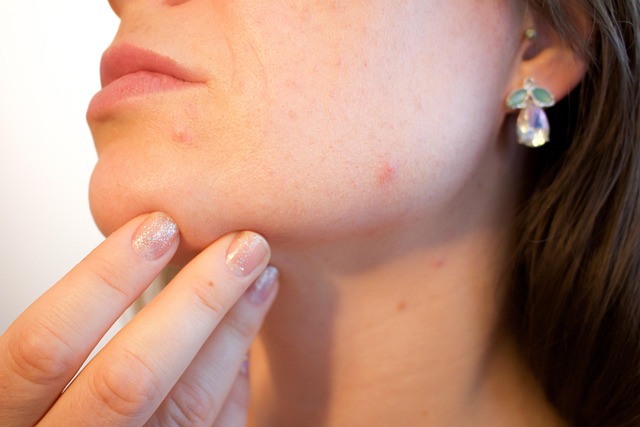
Warts vary in type, size, and location, requiring different removal methods. Over-the-counter treatments like salicylic acid or cryotherapy offer solutions but may not be effective for all types, especially in sensitive areas. Consulting a dermatology wart removal clinic provides expert advice, personalized plans, and advanced treatments for stubborn warts. These clinics offer diverse options including cryotherapy, topical medications, and surgical excision, ensuring safe and discreet care. Regular check-ups with a dermatologist are crucial for long-term management.
Warts can be unsightly and uncomfortable, but effective removal methods exist. This guide delves into best practices for home wart removal, offering safe at-home techniques backed by expert advice. We explore various types and causes of warts and highlight when it’s time to visit a dermatology wart removal clinic. Additionally, we discuss common treatments available in dermatology clinics, providing comprehensive insights for both DIY enthusiasts and those seeking professional care.
- Understanding Warts: Causes and Types
- Safe at-home Removal Methods
- When to Visit a Dermatology Wart Removal Clinic
- Common Treatments in Dermatology Clinics
Understanding Warts: Causes and Types

Warts are small, rough growths that can appear anywhere on the skin. They are caused by the human papillomavirus (HPV), which infects the top layer of the skin. While they may be harmless, warts can be unsightly and uncomfortable. There are many types of warts, each with distinct characteristics: common warts, also known as verrucae, often appear on the hands and feet; plantar warts grow on the soles of the feet; and genital warts, a concern in dermatology wart removal clinics, develop in the genital area. These are usually transmitted through direct contact or sexual activity.
The choice of wart removal method depends on the type, size, and location of the wart. Some common practices include using over-the-counter treatments like salicylic acid, freezing with liquid nitrogen (cryotherapy), or surgical excision. For private wart removal in Leeds or other areas, seeking professional advice from a dermatology clinic is recommended to ensure safe and effective treatment, especially for stubborn or recurring warts. Remember, proper hygiene and avoiding contact with infected individuals can help prevent the spread of genital wart transmission.
Safe at-home Removal Methods

When considering safe at-home wart removal methods, it’s essential to understand that while some approaches can be effective, they may not always guarantee complete eradication. Common practices like using over-the-counter medications containing salicylic acid or freezing warts with liquid nitrogen (cryotherapy) are popular choices for treating minor cases. These methods can often be administered at home, offering convenience and accessibility without the need to visit a dermatology wart removal clinic.
For those seeking alternatives, especially for sensitive areas like the face or during pregnancy (wart removal for pregnant women), consulting with a healthcare professional is advisable. While some at-home treatments are available, individual sensitivities and specific skin conditions may require tailored solutions. Exploring options like using duct tape or trying natural remedies can be an alternative, but results may vary. Consider local clinics in your area, such as those in Guildford or Coventry, for professional advice and treatment if home methods prove ineffective.
When to Visit a Dermatology Wart Removal Clinic

If your warts are persistent and haven’t responded well to over-the-counter treatments, it may be time to consider a visit to a dermatology wart removal clinic. These specialized facilities offer advanced and effective solutions for removing warts, especially when home remedies have proven unsuccessful. Dermatologists are trained to assess the type of wart you have and recommend the most suitable treatment method, ensuring faster and safer results compared to trying private wart removal in Woking or Liverpool.
Regular check-ups at a dermatology clinic are crucial in managing warts long-term. A dermatologist can provide insights into how to prevent warts from returning by advising on hygiene practices and lifestyle changes. They may also offer topicals or immunotherapies to boost your body’s defense against viral infections, providing a more comprehensive strategy for wart removal and recurrence prevention, particularly for those living in [City Name].
Common Treatments in Dermatology Clinics
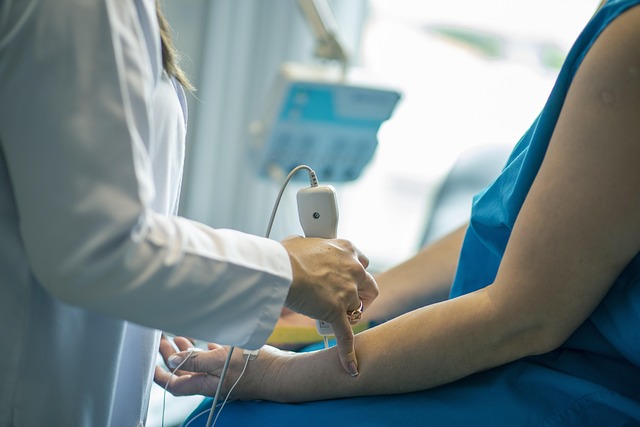
In dermatology clinics, several common treatments for warts are employed, offering effective solutions for patients seeking relief from these skin growths. One widely used method is cryotherapy, where extreme cold is applied to freeze and destroy the wart. This procedure is often quick and relatively painless, making it a popular choice for many. Alternatively, dermatologists might use topical medications, such as salicylic acid or imiquimod, which help the body’s immune system recognize and fight off the viral infection causing warts.
Another common approach to dermatology wart removal clinic is surgical excision, where the wart is cut out. This method is typically effective for more complex or persistent warts. For patients looking for a private wart removal manchester, maidstone, or sheffield, these clinics often provide advanced treatments tailored to individual needs, ensuring professional and discreet care.
In summary, understanding warts and their causes is key to effective management. Safe at-home removal methods offer convenience, but professional assistance from a dermatology wart removal clinic may be necessary for more persistent or painful cases. Common treatments in these clinics include various medical procedures tailored to different wart types. Remember that, while DIY methods have their place, consulting a specialist can provide the best outcomes and peace of mind.