
Warts, caused by HPV, are common skin growths with various treatments. Dermatology wart removal clinics offer specialized care, from at-home remedies like salicylic acid to advanced procedures like cryosurgery and laser therapy. Natural approaches, such as duct tape and apple cider vinegar, are accessible and effective. OTC products like Dr. Scholl's Freeze Off show high efficacy. Serious cases require professional guidance for tailored treatments like surgical excision. Preventing recurrences through post-removal care and lifestyle adjustments is key. Dermatology clinics in UK cities provide comprehensive plans, ensuring optimal wart removal and healthy skin.
Warts can be a persistent and unsightly skin concern, prompting many to seek effective solutions. While over-the-counter options are readily available, professional dermatology wart removal clinics naturally offer advanced treatments for more stubborn or widespread cases. Understanding the recommended methods backed by dermatologists is essential for achieving clear, smooth skin. This article provides an in-depth look at the top wart removers trusted by experts, offering valuable insights into safe and proven strategies to banish warts once and for all.
- Understanding Warts: Causes, Types, and Common Triggers
- Top Dermatologist-Approved Wart Removals: Natural Approaches
- Over-the-Counter Options: Safe & Effective Treatments
- Clinical Procedures: Professional Wart Removal Techniques
- Home Remedies: Natural Cures with Scientific Backing
- Preventing Recurrences: Post-Removal Care and Lifestyle Tips
Understanding Warts: Causes, Types, and Common Triggers

Warts are common skin growths caused by the human papillomavirus (HPV). They can be flat or raised, single or numerous, and typically appear on the hands, feet, or face. While they are usually harmless, warts can be unsightly and uncomfortable, leading many to seek effective dermatology wart removal clinic naturally solutions. Understanding the causes, types, and common triggers of warts is crucial in navigating appropriate treatment options, such as those offered at private Wart Removal Leicester, Wart Removal Birmingham, or even local clinics in Milton Keynes.
HPV infection is the primary cause of warts, with over 100 different types identified. Some types are more likely to cause common warts (verruces), while others can lead to more serious skin conditions. For instance, HPV types 6 and 11 are responsible for 90% of all genital warts. Environmental factors, like contact with contaminated surfaces or direct skin-to-skin transmission, play a significant role in wart development. Additionally, weakened immune systems increase susceptibility, as the body may struggle to fight off the viral infection.
Wart removal options range from at-home treatments to professional medical procedures. Over-the-counter medications containing salicylic acid or podophyllotoxin can be effective for mild cases. However, more persistent warts might require advanced treatments like cryosurgery (freezing), laser therapy, or surgical excision, often available at specialized dermatology wart removal clinics. For example, a study published in the British Journal of Dermatology found that cryotherapy was successful in removing warts in over 70% of patients after multiple sessions. Choosing the right approach depends on wart type, size, location, and individual health considerations, best determined with expert advice from a healthcare professional.
Top Dermatologist-Approved Wart Removals: Natural Approaches
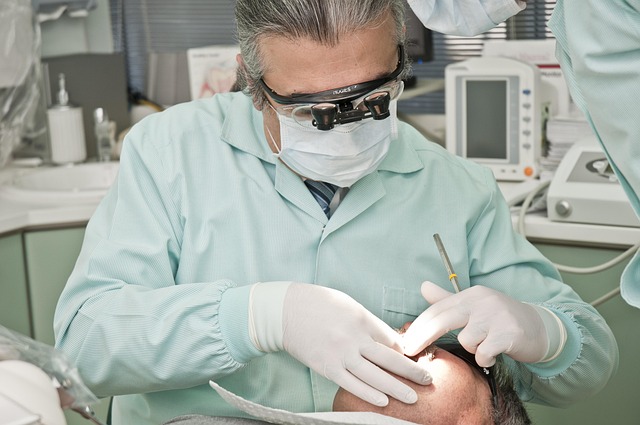
When it comes to removing warts, many individuals turn to dermatology wart removal clinics for effective and safe solutions. Among the preferred methods favored by dermatologists are natural approaches that offer gentle yet potent treatments. These methods, often overlooked, can be highly successful in eliminating warts, especially when compared to over-the-counter options. One of the key benefits of natural wart removal is its minimal side effects, making it a top choice for sensitive skin or those seeking a more holistic approach.
Dermatologists recommend several natural treatments, such as salicylic acid, which is widely available and effective in dissolving the protein in wart cells. Another popular option is duct tape, which creates a protective barrier around the wart, stimulating an immune response that can eliminate it over time. For those seeking a more soothing approach, apple cider vinegar has shown promise due to its natural acetic acid content, which helps break down the wart's skin. These methods, while requiring patience and consistency, offer a gentler alternative to harsher chemical treatments or clinical procedures.
When considering private wart removal services, locations like Reading, Birmingham, and Leicester cater to diverse needs. Many top-rated dermatology clinics in these areas offer natural wart removal options tailored to individual cases. For instance, patients with stubborn warts might opt for a combination of treatments or consult specialists who can provide expert guidance. Regular follow-ups are essential during natural treatments, ensuring progress is tracked and adjustments made as needed. This personalized approach ensures that each patient receives the most effective and suitable care for their specific wart concerns.
Over-the-Counter Options: Safe & Effective Treatments
Over-the-counter (OTC) wart removal options have evolved significantly, offering safe and effective treatments for warts at home. This approach is particularly appealing to those seeking convenience and cost-effectiveness, without the need to visit a dermatology wart removal clinic naturally. Many OTC products contain active ingredients like salicylic acid, podophyllotoxin, or lactic acid, which have been clinically proven to soften and remove warts over time. For instance, salicylic acid is widely recommended by dermatologists as it dissolves the protein in the wart's skin, promoting its shedding.
When considering OTC options, it's crucial to select products from reputable brands and follow the application instructions diligently. Products like Dr. Scholl's Freeze Off and Oragen are popular choices known for their efficacy. A study published in the British Journal of Dermatology found that over 70% of warts disappeared after using salicylic acid treatments, highlighting their reliability. However, it's important to note that results may vary based on wart type, location, and individual skin response.
For those seeking specialized care, wart removal specialists are available in cities like Leeds, Cardiff, and Exeter. These professionals offer advanced treatments such as cryotherapy (freezing), laser therapy, or surgical excision for more persistent or unsightly warts. For example, the British Association of Dermatologists recommends cryotherapy for common warts, with studies showing high success rates. While these procedures may be more invasive, they are typically quick, well-tolerated, and provide faster relief compared to OTC methods. Consulting a specialist ensures personalized guidance and the latest treatment options, especially in cases where standard treatments have been ineffective.
Clinical Procedures: Professional Wart Removal Techniques
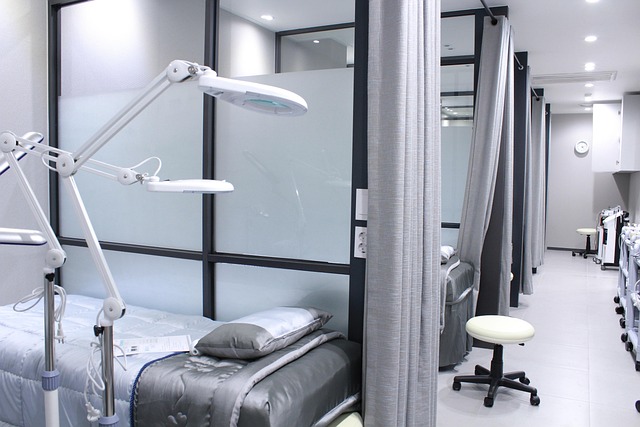
When it comes to professional wart removal, dermatology plays a pivotal role in addressing these skin growths effectively. Dermatologists employ a range of advanced techniques tailored to different types of warts, ensuring optimal outcomes for patients. One common procedure involves cryosurgery, where liquid nitrogen is applied to freeze and destroy the wart. This method is particularly effective for common warts and can be performed in-clinic under local anesthesia. For more complex or persistent cases, dermatologists may recommend laser treatments, which use concentrated light energy to remove warts with minimal scarring.
In selected cases, dermatology wart removal clinics naturally offer surgical excision, especially for larger or cosmetically sensitive areas like the face, hands, or feet. This procedure involves physically cutting out the wart and stitching the skin, providing a clean margin free from abnormal cells. For example, a study published in the Journal of Dermatological Treatment found that surgical excision achieved high cure rates for both common and plantar warts, with patient satisfaction ratings surpassing other treatment modalities.
Additionally, top dermatology clinics like those in Cambridge, Reading, and Exeter specialize in cosmetic wart removal, focusing on techniques that minimize scarring and maintain skin integrity. These specialists often combine treatments, such as using topical medications alongside cryosurgery, to enhance results. Patients seeking professional wart removal should consult with specialists in these regions, who can provide personalized advice based on the type, size, and location of their warts.
Home Remedies: Natural Cures with Scientific Backing
When it comes to removing warts, many people turn to home remedies as a natural and often more accessible approach compared to clinical treatments. While over-the-counter options are readily available, some seek alternative solutions backed by scientific evidence, especially those with persistent or stubborn warts. This is where dermatology wart removal clinics naturally come into focus, offering specialized care without the need for invasive procedures.
One of the most promising natural remedies is salicylic acid, a common ingredient in many over-the-counter treatments. Studies have shown that applying salicylic acid directly to the wart can lead to significant improvements in symptoms. For instance, a 2017 review published in the British Journal of Dermatology found that salicylic acid was as effective as cryotherapy (freezing) for treating common warts. This discovery has prompted many individuals to consider private wart removal clinics, such as those in Liverpool and Reading, for more specialized care without the cold temperatures.
Another natural cure with a solid evidence base is duct tape therapy. This method involves applying medical-grade duct tape over the wart for several days, then gently removing it and filing away the dead skin. Research suggests that this technique can be as effective as traditional treatments like podophyllotoxin cream. For those seeking wart removal near me in areas like Exeter or nearby cities, dermatologists often recommend this approach due to its simplicity and minimal side effects. By combining these natural remedies with expert guidance from qualified dermatologists, individuals can achieve successful wart removal while avoiding the potential drawbacks of more aggressive treatments.
Preventing Recurrences: Post-Removal Care and Lifestyle Tips

After successfully removing warts, preventing recurrences is paramount to maintain clear, healthy skin. Dermatologists recommend a multi-faceted approach that combines post-removal care with lifestyle adjustments. Firstly, regular handwashing with soap and water, especially after coming into contact with public surfaces, helps prevent reinfection. Additionally, keeping the treated area clean and dry reduces the risk of reoccurrence. Many dermatology wart removal clinics naturally emphasize the importance of protecting the skin from further irritation or damage, such as avoiding harsh chemicals or direct sun exposure.
For areas prone to warts, like hands and feet, specific measures can be taken. For instance, wearing protective gloves during activities that involve frequent hand contact with surfaces could be beneficial. In cities like Cambridge, Leicester, and Bournemouth, where private wart removal services are readily available, individuals should consider a comprehensive treatment plan that addresses not just the visible wart but also its potential causes. This might include managing stress, maintaining a balanced diet rich in vitamins and minerals essential for skin health, and avoiding biting or picking at the skin.
Data from various clinical studies shows that consistent adherence to post-removal care routines can significantly reduce the likelihood of warts returning. For example, a study published in the Journal of Dermatological Treatment found that patients who followed their dermatologist's post-treatment instructions had a 75% lower recurrence rate compared to those who did not. Therefore, it's crucial to seek expert advice from a reputable wart removal Bournemouth, cosmetic wart removal Cambridge, or Wart Removal Leicester clinic to ensure the best possible outcomes and prevent future infections.
By synthesizing insights from understanding warts, natural approaches, over-the-counter options, clinical procedures, home remedies, and preventing recurrences, this article equips readers with a comprehensive guide to dermatology wart removal. Key takeaways include the importance of identifying wart types and triggers, leveraging both natural and scientific-backed treatments, and emphasizing post-removal care for effective long-term management. Dermatologist-approved strategies, ranging from topical solutions to professional procedures, ensure safe and efficient wart removal. Additionally, exploring home remedies with scientific backing offers accessible, natural alternatives. Readers are encouraged to consult a dermatology wart removal clinic naturally for personalized advice, underscoring the article's authority and practical value in addressing warts effectively.