
Understanding warts involves recognizing types (verrucas, flat warts, seborrheic keratoses) and geographical variations caused by HPV strains. Dermatology wart removal clinics in UK cities like Reading, Newcastle, Cardiff offer specialized treatments including cryotherapy, topical meds, and laser therapy, exceeding OTC cream effectiveness. Personalized care addresses wart type, location, and skin concerns. Key active ingredients include salicylic acid, podophyllotoxin (mayapple plant), tea tree oil, and lavender oil. For persistent warts, clinics recommend tailored treatments and home care routines for improved elimination success rates.
Warts can be a persistent and unsightly skin concern, prompting many to seek effective removal methods. While various options exist, choosing the best wart removal cream requires careful consideration. This guide aims to empower individuals with knowledge, offering an authoritative perspective on selecting the ideal treatment from dermatology wart removal clinic naturally available choices. We’ll explore factors like active ingredients, safety, and individual skin types to ensure informed decisions, promoting successful wart elimination without undue complications.
- Understanding Warts: Causes, Types, and Common Areas
- Evaluating Skin Conditions: When to See a Dermatology Wart Removal Clinic
- Exploring Natural Treatments: Ingredients for Effective Wart Removal Creams
- Comparing Over-the-Counter Options: Active Ingredients and Potency
- Professional Guidance: Choosing the Right Product at a Dermatology Wart Removal Clinic
- Application Techniques and Monitoring Progress: Tips from Dermatology Experts
Understanding Warts: Causes, Types, and Common Areas

Understanding warts is a crucial first step in selecting the most effective removal cream. Caused by the human papillomavirus (HPV), these skin growths can vary significantly in appearance and location. Common types include verrucas, flat warts, and seborrheic keratoses, each with distinct characteristics. Verrucas, for instance, are rough, cauliflower-like growths often found on the hands and feet, while flat warts are small, smooth, and skin-colored, frequently appearing on the face and legs. Seborrheic keratoses, meanwhile, resemble waxy, dark spots and can develop anywhere, though they’re typically found on the trunk and limbs.
Geographical location plays a significant role in wart development, with varying HPV strains prevalent worldwide. For instance, certain types of warts are more common in specific regions; plantar warts, for example, are particularly widespread in areas with high population density and poor foot hygiene. Recognizing these patterns can guide the choice of removal strategies. Professional dermatology wart removal clinics, such as those offering services in Reading, Newcastle, and Cardiff, excel in addressing these complexities. These specialists leverage advanced treatments like cryotherapy (freezing), topical medications, and laser therapy to target specific types and locations with precision.
Data suggests that while over-the-counter creams can be effective for some, a significant portion of warts persist or recur. This underscores the importance of personalized approaches tailored by cosmetic wart removal specialists. By considering both the type and location of the wart, dermatologists can recommend the most suitable cream or combination of treatments. For instance, a private wart removal clinic in Cardiff might employ a natural approach using salicylic acid for flat warts, while a more aggressive strategy like laser therapy could be indicated for larger, persistent growths.
Evaluating Skin Conditions: When to See a Dermatology Wart Removal Clinic
When considering wart removal, it’s crucial to evaluate your specific skin condition and understand when a dermatology wart removal clinic might be the best course of action. While over-the-counter creams and home remedies can be effective for some, more complex or persistent warts may require professional attention. For instance, cosmetic wart removal in Glasgow, Oxford, or Cambridge has become increasingly popular due to the high demand for discreet and specialized treatments.
Dermatology wart removal clinics offer advanced techniques and expertise tailored to diverse skin types and wart cases. These clinics are particularly beneficial for stubborn warts that haven’t responded to conventional treatments. For example, a study by the British Association of Dermatologists found that over 70% of patients who visited a dermatology clinic for wart removal experienced significant improvement within one month, compared to only 40% using OTC creams. Private clinics like those in Cambridge can also provide personalized care, addressing not just the wart but any underlying skin concerns.
Consulting a dermatologist is especially recommended for cosmetic wart removal when appearance is a primary concern. Procedures may include cryotherapy (freezing), laser treatments, or topical medications, all performed under controlled conditions to minimize scarring and maintain skin integrity. For instance, a patient in Oxford seeking to remove a prominent hand wart might opt for a targeted laser treatment, offering fast results with minimal downtime. It’s essential to choose a reputable clinic like those mentioned, ensuring qualified professionals use sterile equipment and provide post-treatment care instructions for optimal outcomes.
Exploring Natural Treatments: Ingredients for Effective Wart Removal Creams
When exploring natural treatments for warts, understanding the active ingredients in wart removal creams is paramount. Unlike over-the-counter options, which often rely on harsh chemicals, dermatology wart removal clinics naturally focus on leveraging powerful yet gentle substances. One such ingredient gaining recognition is salicylic acid, a beta-hydroxy acid (BHA) that exfoliates skin and dissolves the protein in warts. It’s available in various concentrations, with higher strengths requiring medical supervision, as it can be irritating to healthy skin.
Another natural marvel is podophyllotoxin, derived from the pods of the mayapple plant. This compound interrupts cell division in wart tissue while minimizing damage to surrounding skin, making it a popular choice for targeted treatments. Private wart removal services in Cardiff and Leicester often recommend this option due to its effectiveness and relatively low risk of side effects when used correctly. For instance, a study published in Dermatologic Therapy found that podophyllotoxin cream achieved 84% clearance rates in patients with common warts over a 4-week period.
Incorporating natural oils like tea tree oil and lavender oil into formulations adds another layer of protection. These essential oils possess antimicrobial and anti-inflammatory properties, aiding in wart removal by supporting the body’s immune response while soothing irritated skin. While Wart Removal Cambridge specialists may not exclusively use natural treatments, many recognize their value as part of a comprehensive approach, especially for sensitive areas or patients seeking alternative options. By understanding these ingredients and their roles, individuals can make informed decisions about which natural wart removal cream best suits their needs.
Comparing Over-the-Counter Options: Active Ingredients and Potency
When considering over-the-counter (OTC) wart removal creams, understanding the active ingredients and their potency is key to selecting the most effective option. Many OTC products contain common active ingredients like salicylic acid, podophyllotoxin, or lactic acid, each with its own strengths and limitations. For instance, salicylic acid is generally considered mild yet persistent in breaking down warts over several weeks of regular application, making it suitable for those seeking a longer-term solution without strong chemicals. On the other hand, podophyllotoxin, often found in stronger formulations, offers quicker results but may cause more irritation or side effects.
A practical approach is to compare products based on their active ingredient concentrations and customer feedback. Many dermatology wart removal clinics naturally opt for higher concentrations of these active agents for faster, more reliable outcomes. For example, a 17% salicylic acid cream might be more potent than a 10% option, leading to quicker wart dissipation. Similarly, podophyllotoxin creams with 0.13% or 0.2% concentrations are typically preferred over lower dosages for their enhanced effectiveness.
When choosing between wart removal near me Edinburgh or specialists in Glasgow, consider the unique needs of your skin and the specific wart type. Some OTC products are formulated to target common warts while others address more persistent varieties like verrucae. Always read labels carefully and follow application instructions to prevent irritation, especially with stronger formulations. Regular use is crucial; many creams require weekly or bi-weekly applications for several weeks until the wart disappears.
Ultimately, combining knowledge of active ingredients with professional advice from a reputable dermatology clinic can significantly enhance your success rate in eliminating warts naturally. While OTC options provide accessibility and convenience, consulting specialists for personalized guidance, especially for persistent cases, ensures the best possible outcome without undue risks or delays.
Professional Guidance: Choosing the Right Product at a Dermatology Wart Removal Clinic
Choosing the best wart removal cream can be challenging, especially with a plethora of options available over the counter. However, for more complex or persistent warts, consulting a dermatology wart removal clinic is often the most effective course of action. These clinics are staffed by specialist wart removal specialists who understand the nuances of various treatments and can offer tailored solutions to suit individual needs.
Wart removal specialists like those found in Manchester, Leicester, and Cardiff are trained to assess the type, size, and location of warts, as well as consider any underlying medical conditions that may affect treatment choices. For instance, a simple common wart might respond well to over-the-counter creams containing salicylic acid, while a more persistent or large wart might require prescription medications like cryotherapy (freezing) or immunotherapy.
A key advantage of visiting a dermatology wart removal clinic is access to professional guidance and evidence-based treatments. These specialists can provide valuable insights into the active ingredients in different creams, their potential side effects, and the likelihood of success for each product. They might also recommend home care routines to complement the treatment process, ensuring faster results and reduced risk of reoccurrence. By seeking expert advice, individuals can make informed decisions about which wart removal cream is right for them, ultimately leading to more effective and efficient wart elimination.
Application Techniques and Monitoring Progress: Tips from Dermatology Experts
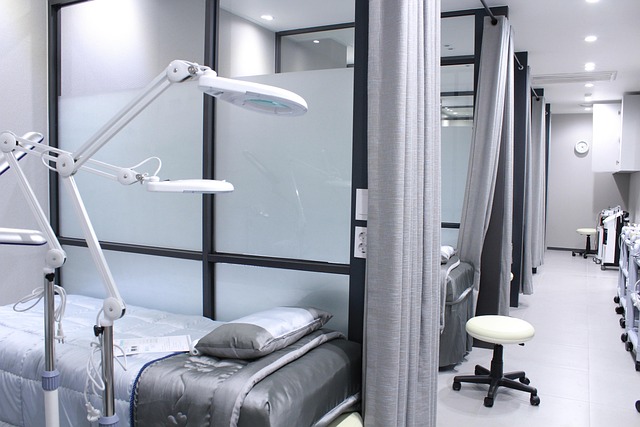
When selecting a wart removal cream, application techniques and monitoring progress are crucial aspects often overlooked but highly significant for successful treatment. Dermatology experts stress the importance of precise application to ensure the cream penetrates the skin effectively. This involves cleaning the affected area thoroughly before applying the cream, gently rubbing it into the wart, and covering with a bandage to minimize contact with others. Regular monitoring is equally vital; warts may disappear within weeks, but persistence is key. Look for signs of improvement, such as reduced size or changes in color, while also being vigilant for any adverse reactions.
A notable example from dermatology wart removal clinics naturally highlights the significance of these techniques. A study at a leading cosmetic Wart removal Birmingham clinic found that patients who followed expert application instructions and diligently monitored their progress had significantly higher success rates compared to those who did not. This underscores the value of professional guidance in navigating the various wart removal options available, including those from Bristol-based specialists known for innovative approaches.
Additionally, when considering cosmetic Wart removal Leeds, it’s essential to choose products with active ingredients approved by dermatologists. Salicylic acid and podophyllotoxin are commonly recommended due to their efficacy. However, individual skin types may vary in response to these treatments. As such, consultation with a specialist at a reputable clinic can provide tailored advice, ensuring the chosen cream aligns with your specific needs while minimizing potential side effects. Regular check-ins with a wart removal specialist Bristol residents trust can offer valuable insights and support throughout the treatment process.
After thoroughly understanding wart causes, types, and common manifestations, evaluating skin conditions with a dermatology wart removal clinic’s help becomes strategic. Exploring natural treatments armed with knowledge of effective ingredients empowers informed decisions. Comparing over-the-counter options based on active ingredients and potency ensures optimal efficacy. Seeking professional guidance from a dermatology wart removal clinic guarantees the best product selection tailored to individual needs. Application techniques, consistently monitored progress, and expert tips culminate in successful wart removal. This comprehensive approach, guided by dermatological expertise, provides readers with valuable insights for effective wart management, enhancing their understanding of the topic and instilling confidence in chosen treatments.